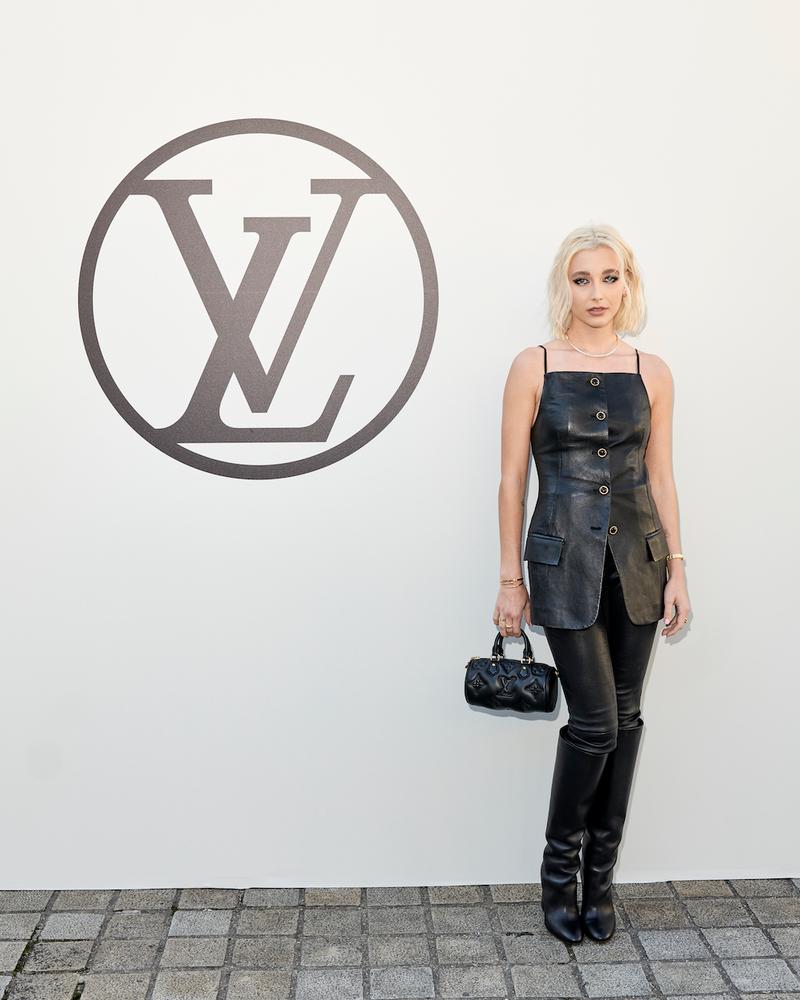
For a decade the 3D asset was a flourish. A bag spinning on a launch page, admired and ignored. Louis Vuitton was among the first houses to treat it as something else entirely, the load-bearing element of the sale. The shift is quiet. The conversion data behind it is not.
From Decoration to Decision
A spatial asset earns its place only when it answers a question the customer would otherwise leave to resolve elsewhere. Grain, hardware weight, the exact drop of a strap. Rendered at boutique fidelity, the object stops performing and starts informing. The customer is no longer being shown the product. They are interrogating it, and an interrogated product is a product much closer to purchase.
The Loop, Not the Asset
The surge is not produced by a single model. It is produced by a loop. The same high-fidelity geometry feeds the product page, the campaign film, the in-store screen, and the spatial preview on a customer's own device. One source of truth, rendered everywhere, removing the seams where doubt usually enters. Each surface reinforces the last, so intent compounds instead of leaking between channels.
Conversion as a Function of Fidelity
A ninety-four percent lift is not a rendering trick. It is the predictable result of closing the distance between desire and understanding. When the asset is good enough that the screen stops feeling like a screen, hesitation has nowhere left to hide. Fidelity is the variable. Conversion is the output.
Spatial commerce will not be won by whoever ships the most features. It will be won by whoever makes the digital object indistinguishable from the real one, then places that object at every point the customer pauses. Louis Vuitton decoded the loop early, and the rest of the category is now reading from it. StudioHRTN builds toward that standard, where the asset does the selling and the interface simply gets out of the way.